
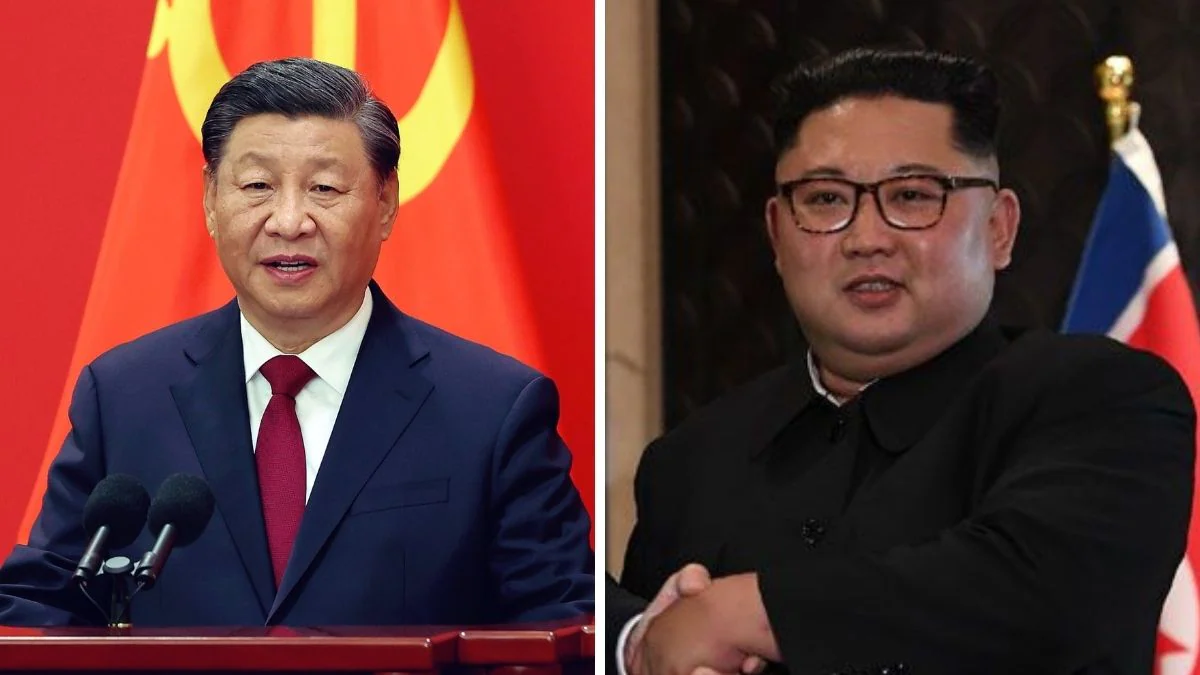
PYONGYANG — In a move that underscores the rapidly shifting geopolitical tectonic plates of East Asia, Chinese President Xi Jinping arrived in Pyongyang on Monday for a highly anticipated two-day state visit. Marking his first trip to North Korea in seven years, the summit with Supreme Leader Kim Jong-un arrives at a critical juncture for regional stability. As global fault lines deepen, this rare diplomatic engagement serves as a vivid reminder of the enduring, yet evolving, alliance between the two neighboring nations.
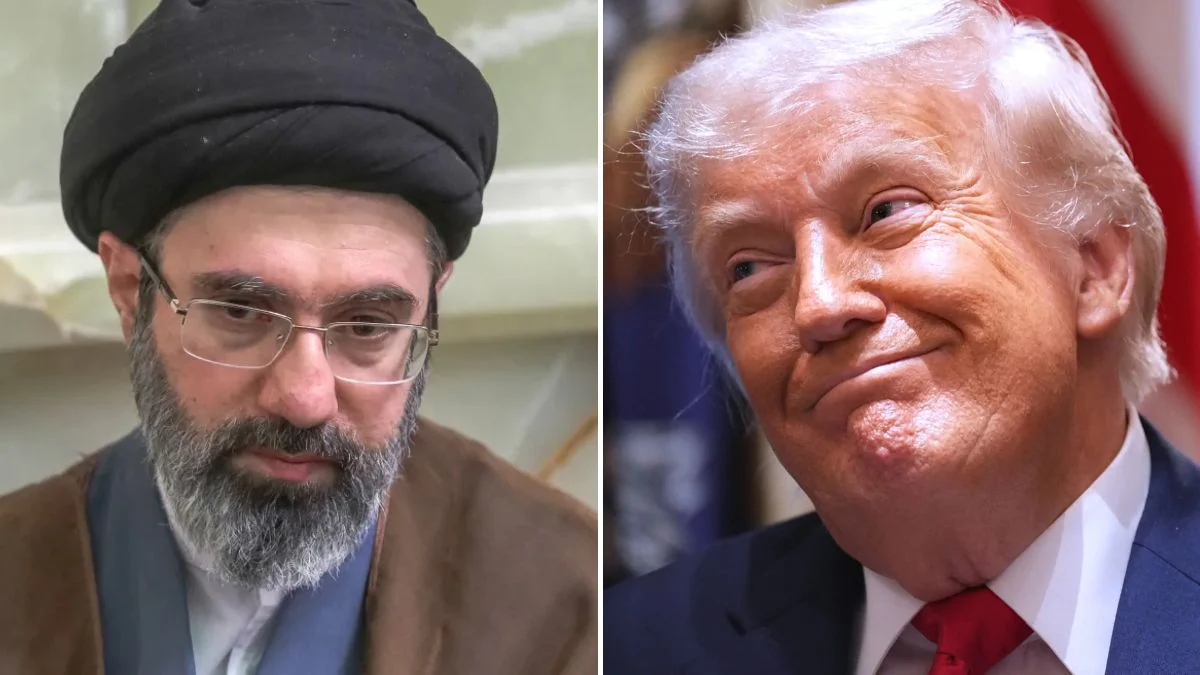
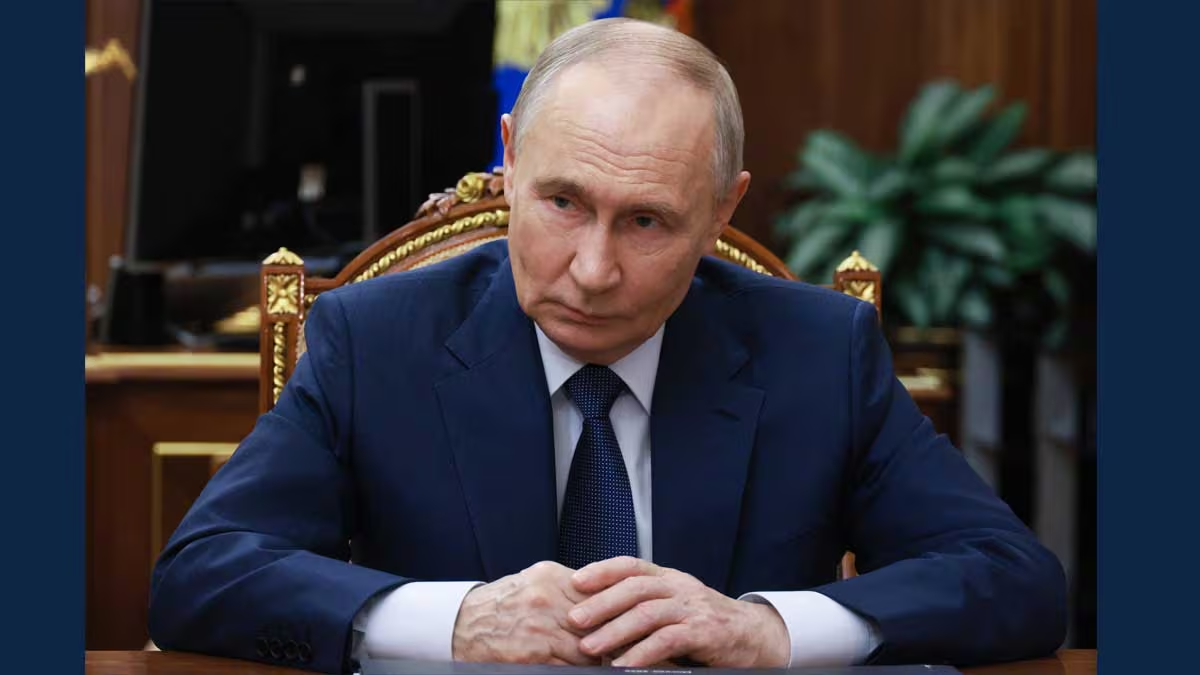
For Xi, whose overseas travel has been sharply curtailed since the onset of the COVID-19 pandemic, the decision to leave Beijing is inherently significant. In an era where most world leaders make the pilgrimage to the Chinese capital—as evidenced by recent visits from U.S. President Donald Trump and Russian President Vladimir Putin—Xi’s journey to Pyongyang signals the paramount importance China places on its 1,400-kilometer shared border and the broader security architecture of the Korean Peninsula.
The Russia Factor: Reasserting Beijing’s Influence
The backdrop to this summit is dominated by the dramatic transformation of North Korea’s strategic leverage, largely catalyzed by the ongoing war in Ukraine. Historically, Beijing has reigned supreme as Pyongyang’s indispensable economic lifeline and senior geopolitical partner. However, in recent years, Kim Jong-un has aggressively cultivated a closer military and economic partnership with Moscow.
North Korea has emerged as a crucial backer of Russia’s war effort, reportedly deploying upwards of 10,000 troops to fight alongside Russian forces and supplying immense quantities of artillery shells, conventional weapons, and ballistic missiles. In exchange, intelligence estimates suggest Pyongyang has received compensation equivalent to a staggering $14.4 billion, predominantly in the form of highly advanced military technology. The secretive nature of these transfers makes it exceedingly difficult for international observers to gauge their full extent, but the implications for regional security are profound.
Beijing has watched this burgeoning Kim-Putin axis with quiet unease. While China and Russia share a broad alignment against Western influence, Beijing does not wish to see its unique sway over North Korea diluted. Analysts widely interpret Xi’s state visit as a calculated effort to reassert Chinese primacy, protect Beijing’s strategic interests, and ensure that Pyongyang’s deepening embrace of Moscow does not erode China’s traditional role as North Korea’s ultimate benefactor.
Nuclear Ambitions on Display
North Korea’s expanding nuclear arsenal is expected to be a central, if delicate, agenda item during the talks. Kim has recently taken bold steps to showcase his country’s military capabilities, including a highly publicized visit to a newly unveiled facility designed to produce weapons-grade nuclear materials. Vowing to expand North Korea’s nuclear forces at an “exponential rate,” Kim is navigating a dangerous path, openly defying international sanctions and diplomatic pressure.
For Kim, the summit offers an unparalleled platform to press his claim for permanent nuclear-weapon-state status. Having largely severed diplomatic ties with both Washington and Seoul, Kim is determined to demonstrate that his regime can survive, and even prosper, without making denuclearization concessions. While the White House recently stated that Washington and Beijing share the goal of a denuclearized Korean Peninsula, Chinese rhetoric has been noticeably softer, focusing broadly on “peace and stability.” Many experts suspect that Xi may refrain from heavily pressuring Kim on the nuclear issue, prioritizing a stable, aligned buffer state over a disarmed but potentially destabilized neighbor.
Economic Lifelines and a Struggling Economy
Beyond high-level geopolitics, the summit carries immense practical value for Kim Jong-un. Decades of heavy international sanctions and a self-imposed pandemic blockade have battered the North Korean civilian economy. Observers expect Kim to use this opportunity to push for tangible economic relief from China, including the resumption of vital cross-border trade, shipments of food and fertilizer, and a revival of Chinese group tourism to populate newly developed resort projects.
The timing of the visit is also steeped in historical symbolism, coinciding with the 65th anniversary of the Treaty on Friendship, Cooperation and Mutual Assistance between China and North Korea. The pact remains China’s only formal defense agreement with another country, a testament to the relationship forged during the Korean War. In a front-page editorial published in the North’s state-run Rodong Sinmun on Monday, Xi praised the “invincible friendship” between the two nations, emphasizing the need to oppose “hegemony, authoritarianism, and all attempts and conspiracies to revive militarism that endanger regional security.”
A Hardline Stance Against the South and Regional Dynamics
The summit also takes place amid soaring inter-Korean tensions. Late in 2024, Kim made the historic and alarming decision to formally abandon the long-standing national objective of peaceful reunification, declaring South Korea a “sworn enemy.” Pyongyang has since cut off all channels of communication with Seoul and ramped up its hostile rhetoric and military posturing. The depth of that hostility was evident in recent months through open antagonism towards the South.
In Seoul, officials are watching the Xi-Kim summit with a mix of apprehension and cautious hope. The South Korean Ministry of Foreign Affairs has publicly urged China to play a constructive role in addressing the volatility on the peninsula. However, with Kim currently having little to no incentive to reopen dialogue with the South, the prospects for an immediate de-escalation appear slim.
Furthermore, Xi’s visit is colored by broader regional security developments that have alarmed Beijing. Recent talks of a military-logistics support pact between South Korea and Japan, discussed at the Shangri-La Dialogue in Singapore earlier this month, have heightened China’s fears of an expanding U.S.-led alliance network. Relations between Beijing and Tokyo have also steadily deteriorated, particularly after Japanese Prime Minister Sanae Takaichi, a known security hawk, suggested that Tokyo might intervene militarily should China attempt to take Taiwan by force. Against this complex web of regional anxieties, China views a stable, heavily armed North Korea not merely as a historic partner, but as an essential geopolitical buffer that absorbs U.S. and allied military bandwidth.
Conclusion: A Diplomatic Coup
Ultimately, Xi Jinping’s visit to Pyongyang serves multiple strategic objectives in an increasingly polarized world. For Beijing, it is an opportunity to reaffirm its indisputable influence in the East Asian security architecture, reminding both regional allies and global adversaries of China’s reach.
For Kim Jong-un, hosting the leader of the world’s second-largest economy is nothing short of a diplomatic coup. It validates his grand strategy of playing major powers against one another—balancing his reliance on Beijing and Moscow without fully submitting to either. By securing high-profile visits and expanding his room for maneuver, Kim is demonstrating an increasing confidence that he can dictate his economic and security goals on his own terms, steadily marching forward under the protective umbrellas of his powerful neighbors.









Leave a Reply