
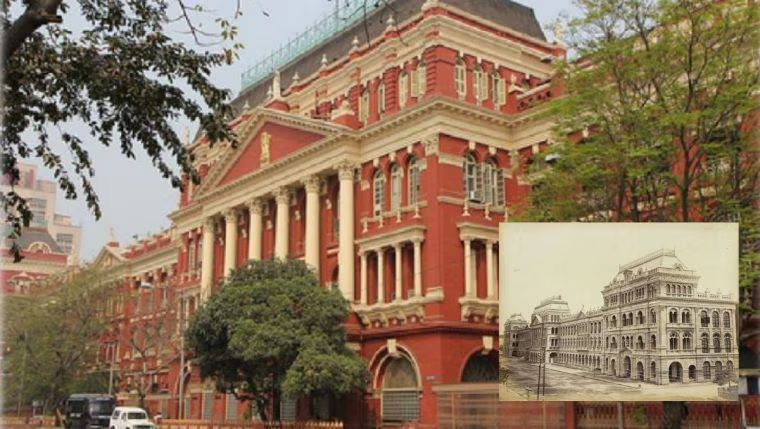
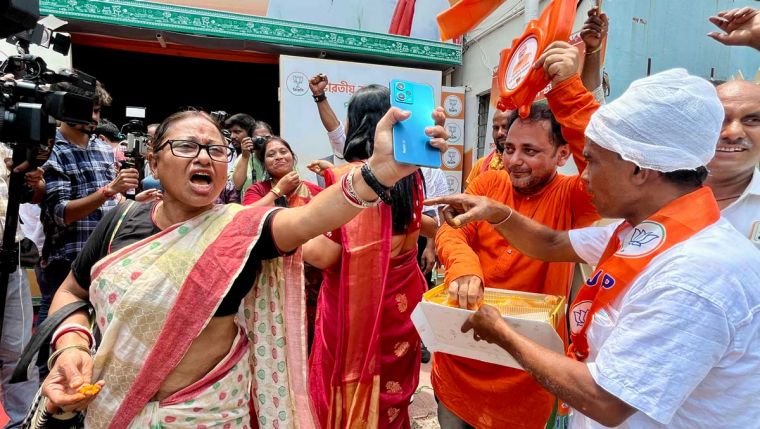
The shifting tides of West Bengal’s political landscape have reached a new milestone following the 2026 Assembly elections. As the Bharatiya Janata Party (BJP) prepares to take the reins of power in the state, one of its first major administrative proposals is as much about symbolism as it is about governance. The party has formally expressed its intent to move the Chief Minister’s Office (CMO) and the state secretariat back to the iconic Writers’ Building in Kolkata, vacating ‘Nabanna’ in Howrah.
A Return to the Historic Core
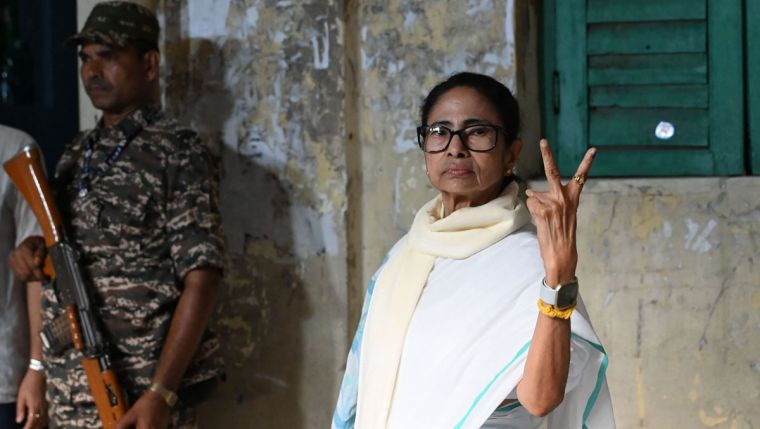
Since October 2013, the nerve center of West Bengal’s administration has been located at ‘Nabanna,’ a 15-story modern building in Howrah. The shift was initiated by outgoing Chief Minister Mamata Banerjee, citing the need for extensive structural renovations at the 18th-century Writers’ Building. However, for the BJP, which has campaigned on the platform of restoring “Bengali Pride” and “Sonar Bangla,” the continued stay at Nabanna is seen as an unnecessary departure from the state’s historical and cultural roots.
By proposing a move back to the Writers’ Building (Mahakaran), the BJP is signaling a return to traditional administrative excellence and the reclamation of Kolkata’s status as the undeniable heart of Bengali power.
The Strategic Motivations Behind the Move
Political analysts suggest that the BJP’s plan to relocate the secretariat is driven by three primary factors:
1. Reclaiming Symbolic Heritage
The Writers’ Building is not merely an architectural marvel; it is a repository of India’s struggle for independence. Most notably, it was the site of the 1930 assassination of the brutal Inspector General of Prisons, N.S. Simpson, by the legendary trio Binoy, Badal, and Dinesh. By operating from this venue, the BJP aims to align its governance with the legacy of these national heroes, contrasting it with the “modernist but detached” feel of Nabanna.
2. Dismantling the Previous Regime’s Legacy
Nabanna became synonymous with the 15-year rule of the Trinamool Congress (TMC). For many BJP supporters, the building represents an era of centralized control and “syndicate politics” that they have vowed to eradicate. Moving back to the Writers’ Building serves as a physical “reset button,” signifying the end of the previous administration’s influence and the beginning of a new chapter in Bengal’s history.
3. Restoring the Vibrancy of B.B.D. Bagh
The shift to Howrah led to a perceived decline in the administrative importance of the B.B.D. Bagh (Dalhousie Square) area in Kolkata. As the city’s central business district, the area thrived on its proximity to the secretariat. The BJP believes that bringing the CMO back will revitalize the local economy and restore the professional “gravitas” of Kolkata’s historic administrative hub.
Logistical and Administrative Hurdles
While the decision carries immense political weight, the practical execution remains a challenge. The Writers’ Building has been under renovation for over a decade.
- Structural Readiness: Large portions of the building remain stripped to the brickwork, and modernizing a heritage structure to meet 21st-century technological and security requirements is a delicate task.
- Space Constraints: Nabanna offered a consolidated space for various departments. Shifting back may require a phased approach, where only the CMO and core ministries move initially, while others remain in auxiliary buildings.
- Security Infrastructure: Establishing the high-level security protocols required for a Chief Minister in a building with multiple entry points and traditional architecture will require a significant overhaul of the existing plans.
Conclusion: A Statement of Intent
The proposal to move the secretariat is one of the most visible signs of the “Paribartan” (change) the BJP has promised. It is an effort to stitch the state’s future to its storied past. If successful, the return to the Writers’ Building will not just be a change of address, but a powerful statement that the state is returning to its traditional foundations of law, order, and cultural dignity.
As the new cabinet prepares for its first meeting, the message is clear: the era of Nabanna is over, and the hallowed halls of Mahakaran are ready to witness history once again.









Leave a Reply