
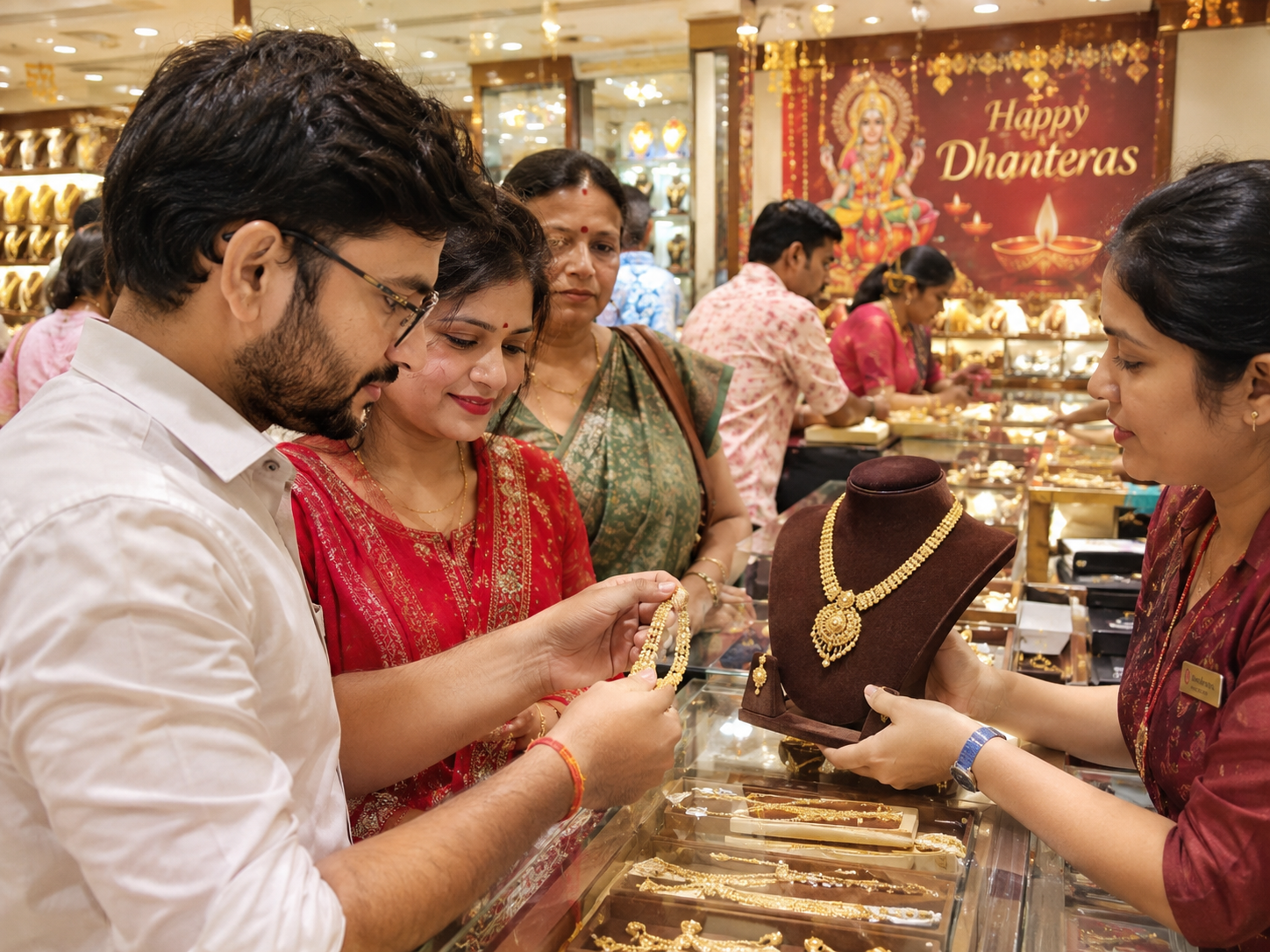
Dhanteras has long been synonymous with the purchase of gold in India. For generations, the festival has marked an auspicious beginning to Diwali, accompanied by the mandatory trip to the family jeweler. However, as we observe the market dynamics in 2026, a structural transformation is underway. With gold prices scaling unprecedented heights—touching a staggering ₹1.46 lakh per 10 grams for 24-carat gold in November 2026—the traditional appetite for the yellow metal is being tested. Yet, the Indian consumer is not stepping away from tradition; rather, they are adapting to it. The sentiment of Dhanteras remains untouched, but the buying patterns, formats, and underlying purposes of gold purchases have undergone a radical shift. The narrative has officially moved from acquiring heavy, locker-bound assets to embracing lightweight jewelry, digital investments, and smart financial recycling.
Smaller Grams, Higher Utility: The Lightweight Revolution
One of the most prominent trends in recent years is the consumer’s pivot toward lightweight, everyday-wear jewelry. The math driving this trend is simple but stark: consumers are spending a higher total amount of money on significantly smaller quantities of physical gold. While overall Dhanteras gold sales volume was estimated at 42 tonnes in 2021, it is expected to consolidate to around 23 tonnes in 2026. Remarkably, despite this massive drop in volume, the retail market value has simultaneously climbed from ₹39,800 crore to an estimated ₹42,000 crore due to bullion inflation.
Instead of purchasing chunky 22-carat necklaces that see the light of day only during weddings, modern buyers—especially millennials and Gen Z—are opting for 18-carat pieces that offer higher utility. Consumers are actively looking for designs that combine traditional Indian craftsmanship with contemporary aesthetics. For instance, rather than buying a traditional solid gold bangle, a young professional might invest in an 18-carat gold and gemstone ring, such as an emerald or ruby daily-wear piece. Designers note that buyers now prioritize comfort, style, and colored gemstones over sheer gold weight. This shift allows consumers to honor the Dhanteras tradition without stretching their budgets to a breaking point, while simultaneously acquiring a product they can wear to the office or a casual dinner.
The Digital Divide: ETFs, Sovereign Bonds, and Quick Commerce
Historically, a Dhanteras gold purchase meant walking out of a store with physical metal. Today, a clear line has been drawn between purchasing gold for ritualistic purposes and buying it for investment.
For the ritual, buyers are gravitating towards smaller denomination coins or turning to quick-commerce delivery platforms that promise to deliver lightweight gold and silver coins in minutes. For actual wealth preservation, however, there is a massive migration toward Gold Exchange-Traded Funds (ETFs) and digital gold.
The World Gold Council’s 2026 data perfectly encapsulates this trend. In the third quarter of 2026, India’s gold ETF demand surged to 5.3 tonnes, up from 3.6 tonnes in the previous quarter, contrasting sharply with the 20% year-on-year decline in physical jewelry demand. Consider the example of a modern retail investor: Instead of paying a 12% to 15% premium on making charges and GST for a physical gold chain, they are choosing to buy units of a Gold ETF through their brokerage app. This eliminates the risk of theft and the cost of bank lockers, providing highly liquid assets that accurately track international gold prices. The physical purchase is thus reduced to a token coin for the puja (prayer), while the bulk of the festive budget is routed efficiently into digital assets.
The Surge in “Old for New” Recycling
With affordability pressures mounting, the concept of gold recycling has moved from a distress action to a smart financial strategy. Families are increasingly utilizing their existing, idle jewelry to finance new purchases, treating their lockers as active capital.
During Dhanteras 2026, jewelers across the country reported a significant rise in old-gold exchanges. Consumers are digging into their safes to find outdated or broken pieces—perhaps a heavy, rigid necklace gifted decades ago—and exchanging them for modern, modular jewelry. For example, a family might exchange 50 grams of old gold jewelry. By paying only the making charges and the difference in value, they can acquire a versatile, hallmarked set of earrings and a pendant without injecting substantial fresh capital. This circular economy of gold is helping middle-class households bypass the shock of current bullion inflation while still participating in the festive buying spree.
The Premium on Transparency: HUID and Hallmarking
Finally, the modern gold buyer is highly educated and uncompromising on transparency. The days of relying solely on a family jeweler’s verbal guarantee of purity are rapidly fading. Today’s purchases are driven by data and regulatory compliance.
The mandatory implementation of Bureau of Indian Standards (BIS) hallmarking, specifically the 6-digit alphanumeric Hallmark Unique Identification (HUID) code, has empowered consumers. Buyers are actively downloading the BIS Care app to scan and verify the exact purity (such as 22K916 or 18K750), the manufacturer, and the assaying center before completing a transaction. Furthermore, invoices are heavily scrutinized to ensure making charges, wastage fees, and GST are clearly segregated from the raw gold value. This demand for absolute transparency signifies a shift from blind faith to informed consumerism, forcing the unorganized jewelry sector to modernize and comply.
Conclusion
The Dhanteras of today looks remarkably different from a decade ago. The festive buzz remains palpable, but the shopping bags are lighter, and the digital portfolios are heavier. Driven by macroeconomic realities and shifting lifestyle preferences, the Indian consumer has redefined what it means to buy gold. By embracing lightweight contemporary designs, leveraging digital gold and ETFs, recycling older assets, and demanding strict hallmarking compliance, buyers have found a practical middle ground. They have proven that while the medium of the purchase may evolve, the cultural reverence for gold during Dhanteras remains an unbreakable thread in the Indian social fabric.

Leave a Reply