nsmnews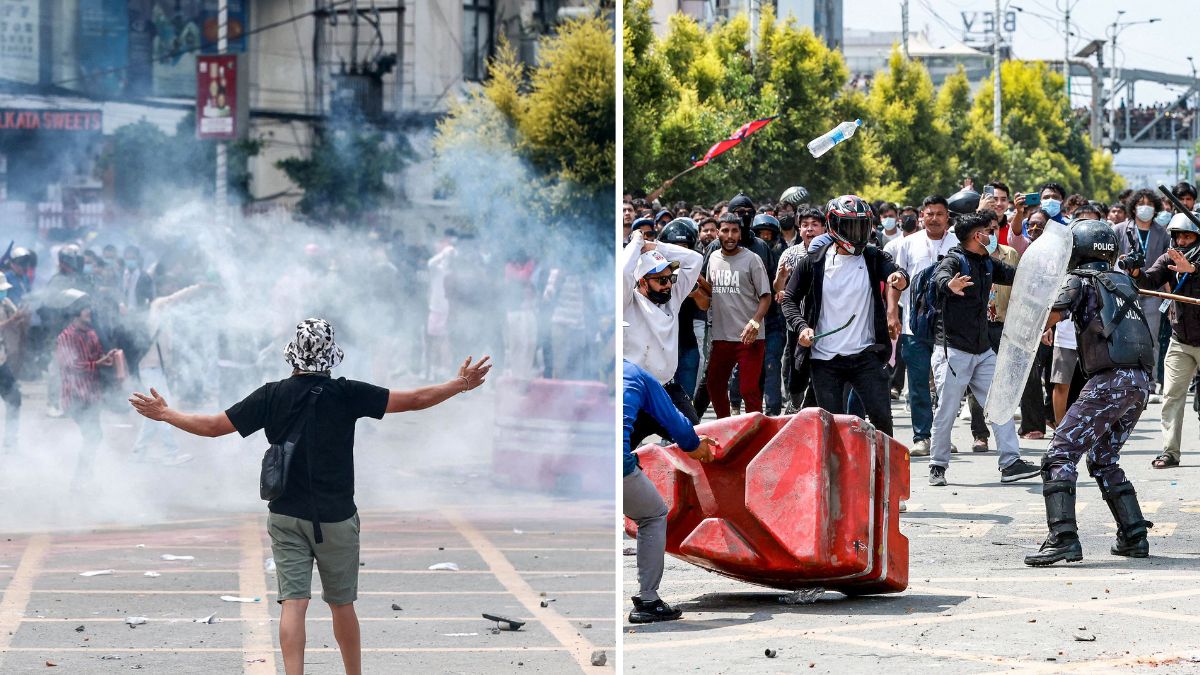
In protest of government corruption and the recent decision to ban 26 well-known social media platforms, thousands of young Nepalis took to the streets of Kathmandu. More than nine protestors have been killed and numerous others injured in the ensuing tense altercation with Nepalese police over the demonstrations.
As they marched through Kathmandu, protesters held the national flag and signs that read, “Youths against corruption,” “Unban social media,” and “Shut down corruption and not social media.”
#WATCH | Nepal | Protest turned violent in Kathmandu as people staged a massive protest outside Kathmandu Parliament against the ban on Facebook, Instagram, WhatsApp and other social media sites, leading to clashes between police and protesters. pic.twitter.com/61D5wK3ZTB
— ANI (@ANI) September 8, 2025
Gen Z organised the protests to express their displeasure with the government’s corruption. Following the government’s decision to restrict the platforms, hashtags like “Nepokids” and “Nepo babies” were popular online, according to The Kathmandu Post.
Social media prohibition
In accordance with the Directive on Regulating the Use of Social Media, 2023, the Nepal Cabinet ruled on August 25 that all social media operators have to register within seven days. The deadline was September 3. After failing to get in touch with the ministry by the deadline, the Nepali government shut all unregistered social media sites on September 4.
26 platforms, including Facebook, Messenger, Instagram, YouTube, WhatsApp, X, LinkedIn, Snapchat, Reddit, Discord, Pinterest, Signal, Threads, WeChat, Quora, Tumblr, Clubhouse, Mastodon, Rumble, VK, Line, IMO, Zalo, Soul, and Hamro Patro, were listed by the Nepal Telecommunications Authority as being shut down.
Millions of users who depend on social media to manage businesses, read news, and maintain relationships with friends and family are impacted by the widespread outages that have been plaguing the nation since Friday, according to AFP.
According to Reuters, almost 90% of Nepalis utilise the internet. What was basically an anti-ban demonstration has evolved into an anti-corruption demonstration.
“The social media ban served as a catalyst for our gathering, but it’s not the only reason. We are demonstrating against Nepal’s systemic corruption,” 24-year-old student Yujan Rajbhandari told the news agency.
Ikshama Tumrok, 20, stated that she was demonstrating against the government’s “authoritarian attitude.” “We’re hoping for change. This must stop with our generation, even though others have suffered through it,” she stated.
“Today’s youth, however, do more than just think; they ask questions,” actor Hari Bansha Acharya wrote on Facebook in support of the protests. What caused it to collapse? How? Who bears responsibility? This is but one illustration of the problems this generation brings up. The voices we hear today are critical of the acts of the leaders and authorities in charge of the system, not of the system itself.