nsmnews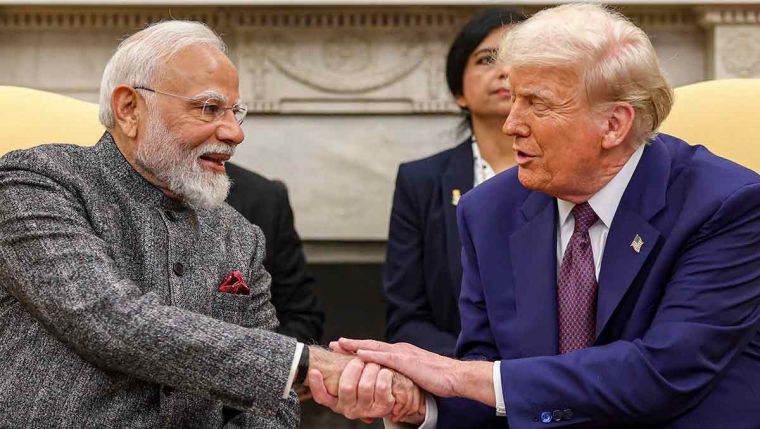
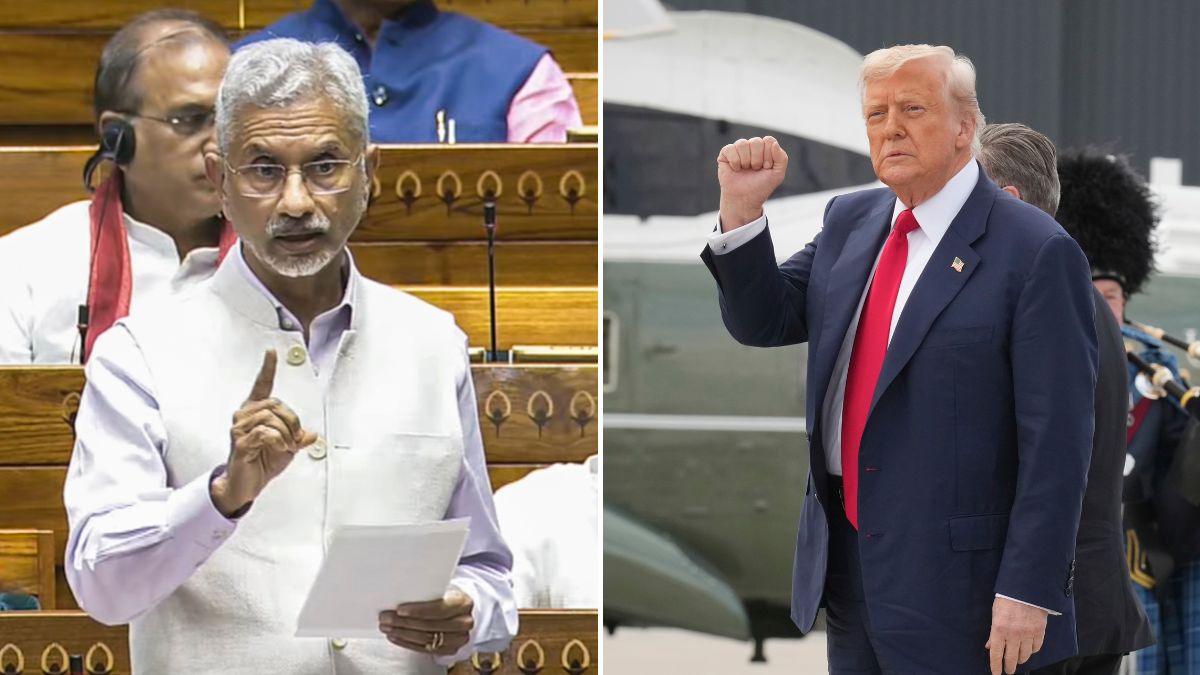
On Tuesday, US President Donald Trump attended the White House Diwali festivities and sent his best wishes to the Indian and Indian American communities.
During the event, Trump said he had a conversation with Prime Minister Narendra Modi and received assurances that India will cut back on its purchases of Russian oil.
#WATCH | Washington DC | US President Donald Trump lights lamps at the White House on the occassion of Diwali
— ANI (@ANI) October 21, 2025
(Source: The White House) pic.twitter.com/fFBTU5KyMl
The festivities were also attended by FBI chief Kash Patel, intelligence chief Tulsi Gabbard, new US envoy to India Sergio Gor, Indian Ambassador to the US Vinay Kwatra, and a number of Indian American business leaders.
“Allow me to convey our best wishes to the Indian populace. Today, I had a conversation with your prime minister. had a wonderful discussion. We discussed trade. That is of great interest to him,” Trump stated.
The prime minister wants to see the conflict between Russia and Ukraine end, Trump added, calling Modi a “great person” and a “great friend.”
“He won’t purchase a lot of Russian oil. He shares my desire for that war to end. He hopes that the conflict between Russia and Ukraine will come to a conclusion. They won’t be purchasing a lot of oil. Thus, they have drastically reduced it, and they will continue to do so,” the president stated.
#WATCH | Washington DC | US President Donald Trump says, "I love the people of India. We're working on some great deals between our countries. I spoke to Prime Minister Modi today and we just have a very good relationship. He's not going to buy much oil from Russia. He wants to… pic.twitter.com/BtdXfkz1eK
— ANI (@ANI) October 22, 2025
Modi acknowledged speaking with the President over the phone in a post on X, but he did not say if they talked about trade.
“I appreciate your phone call and your kind Diwali greetings, President Trump. “May our two great democracies continue to light up the world with hope and stand together against terrorism in all its forms on this festival of lights,” he said.
Thank you, President Trump, for your phone call and warm Diwali greetings. On this festival of lights, may our two great democracies continue to illuminate the world with hope and stand united against terrorism in all its forms.@realDonaldTrump @POTUS
— Narendra Modi (@narendramodi) October 22, 2025
Trump had made a similar assertion last week, claiming that the prime minister had guaranteed him that India would no longer purchase Russian oil. Although New Delhi has denied that the two leaders had such a conversation, he reiterated the allegation earlier this week.
Trump also said on Monday that if New Delhi doesn’t stop buying Russian oil, India will keep paying “massive” tariffs on its exports to the US.
The US has put a 25% punitive tariff on Indian goods going to the US, raising the overall duty to 50% after accusing New Delhi of using the oil purchase to finance Moscow’s military machine.
The two biggest consumers of Russian seaborne oil exports are China and India, who take advantage of the lower prices Russia has been forced to accept after European purchasers refused to buy.
In India, Trump’s allegations have also triggered a political backlash, with the opposition Congress charging that the Modi administration lets Washington dictate its foreign policy.