
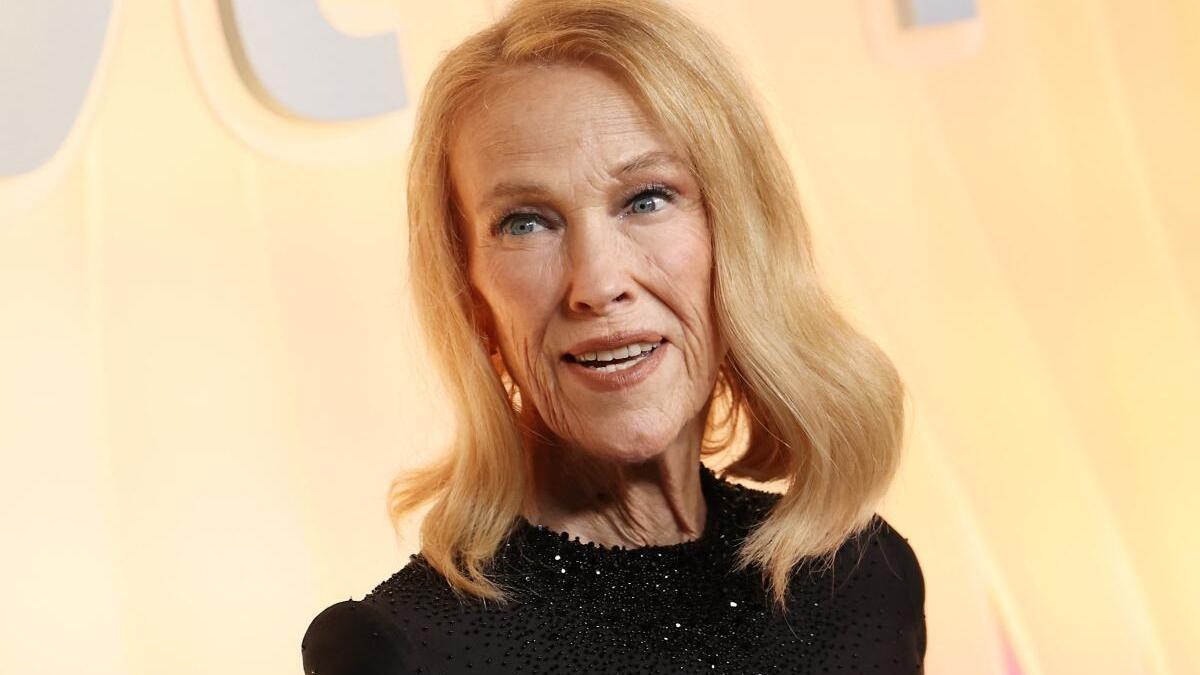
The world of comedy has lost one of its most brilliant and distinctive voices. Catherine O’Hara, the actor who mastered the art of playing wonderfully delusional and deeply human characters, has died at 71 after a brief illness. Her career, spanning five remarkable decades, was not just a series of roles but a masterclass in how to find elegance in chaos, heart in absurdity, and timeless humor in human vulnerability.
The Face of a Frantic Mother: Cementing a Place in Cultural Memory
For millions, Catherine O’Hara’s face is forever etched in memory as the embodiment of parental panic. In Home Alone, she didn’t just play Kevin McCallister’s mother; she became every parent’s worst nightmare. Her wild-eyed airport sprint and that iconic scream transcended the film, turning a moment of comedic chaos into a universally recognizable symbol of flustered love. She reprised the role in Home Alone 2, later calling the film “a perfect movie,” and maintained a close, familial bond with Macaulay Culkin for over three decades. Following her passing, Culkin’s heartfelt tribute, calling her “Mama,” underscored the genuine warmth that defined her off-screen relationships.
From Canadian Sketch Roots to Hollywood Eccentricity
O’Hara’s journey to becoming a Hollywood fixture began far from Los Angeles, in the creative crucible of Canadian comedy. As a star and creator on the legendary sketch show Second City Television (SCTV), she honed her craft alongside comedy greats like Eugene Levy. Here, she built a reputation for creating characters that were ridiculous yet profoundly real, earning her first Emmy and establishing a comedic ethos centered on humor without cruelty. This foundation prepared her for a seamless transition to film, where directors like Tim Burton instantly recognized her unique talent. Her portrayal of the dramatic, silk-clad, and deliciously unhinged Delia Deetz in Beetlejuice (1988) became an instant classic, a role she would joyfully return to decades later.
The Queen of Mockumentaries and Late-Career Triumph
A defining chapter of O’Hara’s career was her collaboration with director Christopher Guest. In his acclaimed mockumentaries like Best in Show and A Mighty Wind, she showcased a peerless genius for portraying people who are painfully, hilariously unaware of themselves. Guest noted her rare ability to pivot from outright hilarity to heartbreaking sincerity in seconds, a skill that made her performances feel like magic—and like real life, slightly exaggerated.
Defying Hollywood conventions, O’Hara experienced a spectacular career renaissance in her 60s with Schitt’s Creek. As Moira Rose, the former soap star with an unparalleled vocabulary and a wig collection to match, she delivered a performance for the ages. She turned Moira’s vanity and eccentricity into a surprising vessel for warmth and growth, winning a second Emmy and captivating a whole new generation. This role perfectly embodied her own stated attraction to “characters who didn’t realize the impression they made on others.”
A Lasting Impact Beyond the Laughs
Catherine O’Hara’s work never stopped evolving. She gracefully moved into prestige television, earning accolades for roles in The Last of Us and Apple TV+’s The Studio. Through every character, from animated voices in beloved films to powerful executives, she maintained a throughline of authentic vulnerability. She once admitted she preferred working with people she knew because “doing things alone made her nervous.” This relatable humanity was her secret weapon, allowing audiences to see themselves in her most outlandish creations.
She is survived by her husband, production designer Bo Welch, their two sons, and her siblings. While the characters she gifted us—from frantic Kate McCallister to the majestic Moira Rose—will ensure her laughter lives on, the loss is deeply felt. Catherine O’Hara showed us that within our messiness, our delusions, and our chaos, there is not just comedy, but connection, understanding, and elegance. For that enduring lesson, we can only say: take a bow, Catherine.













Leave a Reply